
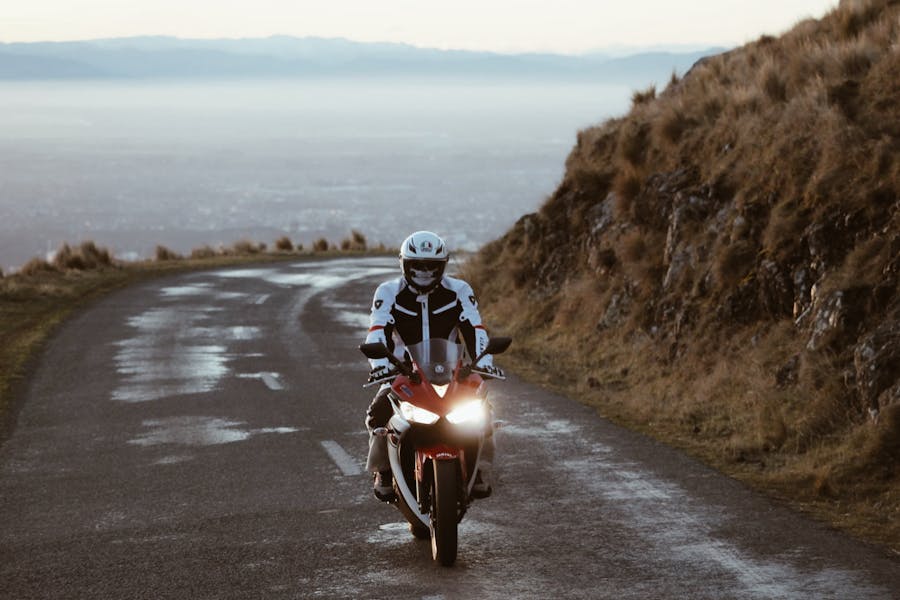
Fog changes how drivers perceive distance and light. Many drivers rely on instinct instead of proper technique in these conditions. An experienced motorcycle accident attorney often sees how small visibility mistakes can lead to serious crashes.
Why Fog Changes How Light Works
Fog is made up of tiny water droplets suspended in the air. These droplets scatter light in multiple directions instead of letting it travel in a straight line. This effect creates a bright glare that can reduce visibility rather than improve it.
High beams are designed to project light farther down a clear road. In fog, that extra intensity reflects back toward the driver’s eyes. This reflection makes it harder to see what is actually ahead.
Low beams are aimed closer to the road surface. They reduce the amount of light that reflects back toward the driver. This makes them more effective in fog despite appearing less powerful.
The Hidden Risk For Motorcyclists
Motorcycles are smaller than most vehicles on the road, which already makes them easier to overlook. When fog rolls in, that visibility drops even further. Add high beams into the mix, and the glare can make a motorcycle nearly disappear.
Even if a rider is doing everything right, it may not be enough. Headlights, reflective strips, and bright gear can all lose their impact when another driver’s high beams scatter light across the road. Instead of standing out, the rider can fade into the haze.
Many drivers assume brighter lights will help them see better. In fog, that assumption often works against them. The extra glare can make it harder to spot a motorcycle in time, increasing the chances of a serious crash.
Common Driver Mistakes In Fog
A frequent mistake is switching on high beams without thinking twice. Many drivers assume that less visibility calls for brighter lights. In fog, that instinct usually does more harm than good.
Following too closely is another common issue. Fog makes it harder to judge how far away another vehicle really is. This can quickly lead to rear end crashes, with motorcyclists facing greater risk.
Some drivers also fail to slow down when conditions change. Limited visibility means less time to react to anything ahead. Keeping the same speed makes it much easier to miss a motorcyclist until it is too late.
Legal Expectations For Safe Driving
Drivers are expected to adjust how they drive when conditions change. That includes slowing down and using the right type of lighting. In fog, using high beams can work against visibility and may be seen as careless if it leads to a crash.
Courts often focus on whether a driver made reasonable choices given the situation. Turning on high beams in fog can be viewed as poor judgment. This is especially true if it makes it harder for others on the road to see clearly.
Motorcyclists have the same rights to the road as any other driver. When visibility is reduced, the responsibility to drive cautiously becomes even more important. Failing to do so can lead to liability for injuries or damages.
How High Beams Can Cause Crashes
High beams create a wall of reflected light in fog. This wall reduces contrast, making objects harder to distinguish. A motorcyclist can disappear within that glare until it is too late to react.
The problem becomes worse when multiple vehicles use high beams. Each source of light adds to the overall glare. This can create a near whiteout effect for everyone on the road.
Motorcyclists are particularly vulnerable because they rely on being seen. When visibility drops, they have less protection than drivers in enclosed vehicles. This increases the severity of potential injuries.
What Motorcyclists Can Do
Motorcyclists can take steps to improve their visibility. Wearing reflective gear and using proper lighting can help them stand out. However, these measures cannot fully counteract poor driving by others.
Riders should position themselves where they are most visible. Avoiding blind spots and maintaining a safe distance can reduce risk. Staying alert to changing conditions is also critical.
Even with precautions, motorcyclists depend on other drivers making safe choices. When those choices are ignored, the consequences can be severe. This is why awareness on both sides is important.
Liability After A Fog Related Crash
Determining fault in a fog related crash often involves examining driver behavior. Investigators may look at speed, following distance, and lighting use. High beam usage can become a key factor in these cases.
If a driver’s decisions made a motorcyclist harder to see, that can lead to responsibility for the crash. Glare from improper lighting can delay reaction time and reduce awareness. When that happens, the driver may be held accountable for the harm caused.
Most claims focus on whether someone acted carelessly. Failing to adjust driving habits for fog can point to negligence. Strong evidence and expert input often play a major role in proving what went wrong.
Final Thoughts
Fog requires drivers to think differently about visibility and control. Using high beams may feel helpful, but it often creates greater danger. An experienced motorcycle accident attorney understands how these mistakes can lead to serious consequences.